Ferrous Sulphate 200mg Once Daily: Why One Tablet Beats Three
At Holroyd Pharmacy, our ferrous sulphate 200mg tablets are dosed exactly this way, one tablet, once a day, and that's not an arbitrary shortcut. It's backed by how your body actually absorbs iron.
If you've just been prescribed or recommended ferrous sulphate 200mg for iron deficiency anaemia, you might expect to be swallowing tablets three times a day, the way many of us were told for years. Here's the good news: for most adults, ferrous sulphate 200mg once daily works just as well as splitting the same dose across the day, and it's usually kinder on your stomach too.
At Holroyd Pharmacy, our ferrous sulphate 200mg tablets are dosed exactly this way, one tablet, once a day, and that's not an arbitrary shortcut. It's backed by how your body actually absorbs iron.
Why Iron Deficiency Anaemia Happens
Iron is essential for making haemoglobin, the part of your red blood cells that carries oxygen around your body. When your iron stores run low, whether from heavy periods, pregnancy, poor dietary intake, or chronic blood loss, your body can't produce enough healthy red blood cells. That's when iron deficiency anaemia sets in, and it can leave you feeling drained in ways that are easy to dismiss as "just being tired."
Common symptoms include:
- Persistent tiredness and fatigue
- Shortness of breath during everyday activity
- Noticeably pale skin
- Frequent headaches
- Hair thinning or hair loss
If any of this sounds familiar, ferrous sulphate is one of the most commonly recommended treatments, and getting the dosing right matters as much as taking it at all.
The Old Advice: Three Times a Day
For decades, the standard textbook instruction for ferrous sulphate was two or three doses a day. The logic seemed sound on paper: more frequent dosing should mean more iron absorbed, right?
It turns out the body doesn't work quite that simply.
What the Research Actually Shows About Absorption
Your gut has a built-in gatekeeper for iron called hepcidin, a hormone produced by the liver that controls how much iron your intestines are allowed to absorb at any given time. Here's the key part: taking a dose of iron temporarily raises hepcidin levels for several hours afterward, which then blocks a portion of the iron in your next dose from being absorbed.
Researchers at the University of Zurich tested this directly in iron-depleted women using labelled iron to precisely track absorption. They found that splitting a dose into two portions across the day raised hepcidin more than a single morning dose did, and it didn't improve overall iron uptake. In fact, total iron absorbed over three consecutive days was statistically similar between once-daily and twice-daily groups, while the twice-daily group experienced a bigger hepcidin spike for no real absorption benefit. Later trials extended this further, showing that spacing doses out to alternate days actually improved the fractional percentage of iron absorbed per dose, though the total iron absorbed over time evened out.
The practical takeaway for ferrous sulphate 200mg specifically: giving your gut a single, unopposed dose once a day allows hepcidin to reset, so a larger share of that one dose gets absorbed, roughly matching what you'd absorb from the same total amount spread across three smaller doses. You're not losing out by taking one tablet instead of three; you're just avoiding the diminishing returns that come with repeated dosing.
Fewer Side Effects, Better Compliance
There's a second, very practical reason once-daily dosing has become the preferred approach. Unabsorbed iron sitting in the gut is what typically causes the classic side effects people associate with iron tablets, constipation, nausea, stomach cramping, and dark stools. When you take ferrous sulphate three times a day, more unabsorbed iron passes through your digestive tract more often, which tends to increase these symptoms.
Once-daily dosing reduces that cumulative gut irritation, and clinical guidance increasingly reflects this. Recommendations from gastroenterology bodies now generally advise against dosing oral iron more than once a day, noting that for patients who still experience discomfort, alternate-day dosing can be considered rather than increasing frequency.
There's also the simple human factor: a single tablet each morning is far easier to remember and stick with than three doses spread across breakfast, lunch, and dinner. Treatment only works if you actually take it, and once-daily ferrous sulphate 200mg makes that much more realistic for a busy routine.
How to Take Ferrous Sulphate 200mg for Best Absorption
To get the most out of your once-daily dose:
- Swallow the tablet whole with water. Don't chew, crush, or suck it.
- Take it consistently at the same time each day to build the habit.
- Absorption is generally best on an empty stomach, though taking it with a small amount of food is fine if it's needed to settle your stomach.
- Avoid taking it alongside tea, coffee, calcium supplements, or antacids, as these can reduce absorption. Leave a gap of a couple of hours where possible.
- A small amount of vitamin C, such as a glass of orange juice, can help support absorption.
Always follow the specific dosing instructions given by your pharmacist or GP, since individual needs can vary depending on the severity of your anaemia.
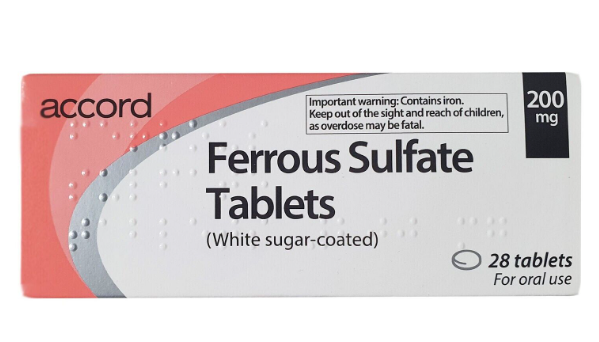
Ferrous Sulphate 200mg tablets (28-pack) are available to order from Holroyd Pharmacy, a UK-registered pharmacy offering genuine medicines with express delivery.
Frequently Asked Questions
1. Is ferrous sulphate 200mg once daily strong enough to treat anaemia?
Yes. For most adults with iron deficiency anaemia, one 200mg tablet daily provides an effective and well-absorbed dose. Your GP or pharmacist may adjust this based on your specific iron levels.
2. Does taking iron three times a day absorb more than once a day?
Not meaningfully. Research shows splitting doses raises hepcidin, a hormone that blocks further iron absorption, so the extra doses largely go to waste. Total iron absorbed ends up similar whether taken once daily or in divided doses.
3. What's the best time of day to take ferrous sulphate?
Morning, on an empty stomach if tolerated, is generally best for absorption. Taking it at a consistent time each day also helps you stay on track with treatment.
4. Can I take ferrous sulphate with food?
You can, especially if it upsets your stomach, but absorption may be slightly reduced. If food helps you tolerate it, taking it consistently that way is better than skipping doses.
5. What side effects should I expect from ferrous sulphate 200mg?
Constipation, nausea, and dark-coloured stools are common but usually mild with once-daily dosing. If side effects are troublesome, speak to your pharmacist about alternate-day dosing rather than stopping treatment.
6. How long does it take for ferrous sulphate to improve anaemia symptoms?
Many people notice improved energy within a few weeks, though it typically takes 2 to 3 months of consistent daily dosing to fully restore iron stores. Blood tests can confirm progress.
Category
General Health