Ear Wax Removal Using Irrigation: What You Need to Know
Learn how ear wax removal using irrigation works, who it suits, and when to see a professional. Expert advice from Holroyd Pharmacy, Bradford.
If you've ever felt like your hearing has gone slightly muffled, or you've noticed a dull ache or fullness in one ear, a build-up of ear wax could well be the cause. It's one of the most common reasons people visit a pharmacy or GP practice in the UK, and one of the most talked-about solutions is ear irrigation.
What Is Ear Wax Removal Using Irrigation?
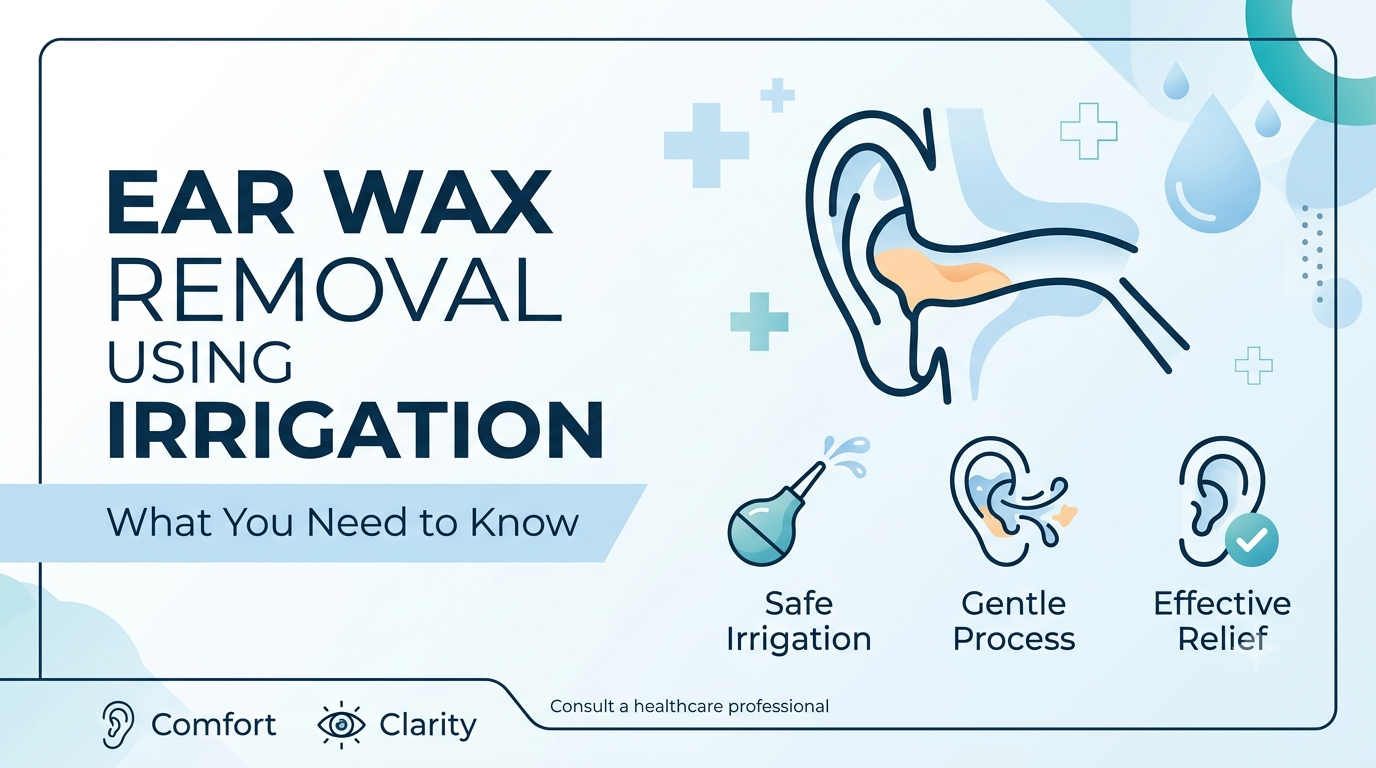
Ear irrigation is a method of clearing excess ear wax by gently flushing the ear canal with a controlled stream of water. It's sometimes referred to as "ear syringing," although modern irrigation uses electronic pumps rather than the old-fashioned metal syringes once used decades ago.
During the procedure, a trained practitioner uses a handheld device to direct warm water into the ear canal at a steady, controlled pressure. This softens and loosens the wax, allowing it to be washed out naturally. The whole process typically takes just a few minutes per ear.
In short: ear irrigation is a modern, non-invasive way to remove built-up ear wax using warm water, guided by trained hands and calibrated equipment.
Why Ear Wax Builds Up in the First Place
Ear wax, or cerumen, is a natural substance produced by glands in the ear canal. It plays a genuinely useful role protecting the eardrum, trapping dust and debris, and even offering some antibacterial properties. In most people, wax makes its way out of the ear naturally through everyday jaw movement.
Problems arise when wax builds up faster than it clears, or when it gets pushed further into the canal. Common causes include:
- Regular use of cotton buds or earphones
- Naturally narrow or curved ear canals
- Hearing aid use
- Excess hair in the ear canal
- Ageing, which can make wax drier and harder to shift
When wax accumulates, it can lead to a blocked or "full" feeling, temporary hearing loss, mild discomfort, tinnitus, or even dizziness in some cases.
Benefits of Ear Irrigation
Ear irrigation remains a popular choice for a reason. Some of the key benefits include:
- Quick and straightforward – most sessions are completed in under 15 minutes
- Generally comfortable – warm water is used, and the pressure is carefully controlled
- Effective for softened wax – particularly good once wax has been pre-treated with softening drops
- Widely available – offered by many pharmacies and GP practices across the UK
- No sedation or numbing required – it's a simple outpatient procedure
For many people, this makes irrigation a convenient first step when they notice reduced hearing or a blocked sensation.
How Ear Irrigation Works: Step by Step
Understanding the process can help ease any nerves before your appointment. Here's a general overview of what to expect:
- Initial assessment – A trained professional examines your ear using an otoscope to check the wax build-up and confirm there's no infection, perforation, or other contraindication.
- Wax softening (if needed) – You may be advised to use olive oil or a proprietary softening spray for several days beforehand to loosen the wax.
- Positioning – You'll sit comfortably with a towel or bib in place, and a collection tray held under the ear.
- Irrigation – Warm water is gently pumped into the ear canal using a specialised electronic irrigator, flushing the wax out.
- Re-examination – The practitioner checks the ear canal again to confirm the wax has cleared fully.
- Aftercare advice – You'll usually be given guidance on keeping the ear dry for a short period and how to prevent future build-up.
Most people notice an immediate improvement in hearing clarity straight after the procedure.
Who Should Consider Ear Irrigation?
Ear irrigation tends to suit people who:
- Have noticeable hearing loss, fullness, or discomfort linked to wax build-up
- Wear hearing aids and need regular wax management
- Have tried home softening drops without success
- Want a quick, professional solution rather than attempting removal at home
It's not suitable for everyone. A trained pharmacist or clinician will always check your ear history first, as certain conditions such as a history of ear infections, a perforated eardrum, or recent ear surgery mean irrigation isn't the right approach. This is exactly why a proper assessment beforehand matters, rather than attempting DIY methods at home.
Ear Irrigation vs Other Ear Wax Removal Methods
Irrigation isn't the only option when it comes to clearing ear wax, and it's worth understanding how it compares to the alternatives. Irrigation works by flushing warm water through the ear canal to wash out wax, and it tends to suit softened, moderate build-up best. Microsuction, on the other hand, uses gentle suction to remove wax under direct vision, without any water involved. It's often the preferred choice for hardened wax, more sensitive ears, or anyone with a history of eardrum perforation, since the practitioner can see exactly what they're removing throughout. Manual removal, using a small instrument called a curette, is typically reserved for wax that's already visible near the entrance of the ear canal, where it can be lifted out directly. Finally, home softening drops aren't a removal method in themselves, but rather a first step loosening wax over several days so it's easier to clear, whether that's naturally or with professional help afterwards.
Many pharmacies, including services closer to home, now offer a choice of methods so the approach can be matched to your individual ear health rather than a one-size-fits-all solution.
Why Choose Holroyd Pharmacy
Holroyd Pharmacy has been a trusted, family-owned pharmacy serving the Bradford community for over 25 years. As a GPhC-registered pharmacy (registration number 9010615), the team follows recognised UK clinical and hygiene standards for every ear health appointment.
The pharmacy's ear health service is delivered by trained professionals who carry out a full assessment before recommending the most appropriate method for your ears — whether that means irrigation, microsuction, or simply advising on softening drops first. Every appointment is carried out with a focus on comfort, safety, and clear communication, so you understand exactly what's happening at each step.
If you're dealing with blocked ears, reduced hearing, or general discomfort, the team at Holroyd Pharmacy can talk you through your options and book you in for an assessment at a time that suits you.
Contact Holroyd Pharmacy: Holroyd Business Centre, Bradford, BD5 9BP Phone: (01274) 738866 Email: info@holroydpharmacy.co.uk
Frequently Asked Questions
Is ear irrigation painful?
No, ear irrigation shouldn't be painful when carried out correctly by a trained professional. You might feel a slight sensation of warmth or pressure, but it's generally well tolerated. If you experience pain during the procedure, let the practitioner know straight away.
How long does ear wax irrigation take?
Most ear irrigation appointments take between 10 and 20 minutes in total, including the initial examination. The irrigation itself is often completed within a few minutes per ear, depending on how much wax needs to be cleared.
Do I need to use ear drops before irrigation?
Yes, in most cases. Softening the wax with olive oil or a proprietary spray for three to five days beforehand makes the irrigation process quicker, more comfortable, and more effective, as it's easier to flush out softened wax than hardened build-up.
Can I have ear irrigation if I have a hearing aid?
Yes, many hearing aid users have regular ear irrigation to manage wax build-up, since hearing aids can sometimes push wax further into the canal. A professional will check your ears beforehand to confirm irrigation is suitable for you.
How often should I have my ears irrigated?
This varies from person to person. Some people need wax removal once or twice a year, while others, particularly hearing aid users, may need it more frequently. A pharmacist can advise on a suitable schedule based on your individual wax production.
Is ear irrigation available on the NHS?
NHS provision for routine ear wax removal varies by area, and many GP practices no longer offer it as standard. As a result, many people choose to book a private appointment at a local pharmacy for quicker access.
What's the difference between irrigation and microsuction?
Irrigation uses warm water to flush wax out, while microsuction uses gentle suction under direct vision without any liquid. Microsuction is often preferred for harder wax or for people with a history of ear infections, while irrigation suits softened, moderate wax build-up.
Can I clean my ears myself instead of having them irrigated?
It's best to avoid cotton buds or other objects inside the ear canal, as these can push wax further in and increase the risk of a blockage. Softening drops used as directed are generally safe at home, but removal itself is best left to a trained professional.
Final Thoughts
Ear wax build-up is common, but it doesn't have to mean putting up with muffled hearing or discomfort. Ear wax removal using irrigation offers a quick, well-established way to clear the ear canal safely when it's carried out by a trained professional following a proper assessment.
Every ear is different, which is why getting expert advice matters more than trying a one-size-fits-all approach at home. The team at Holroyd Pharmacy in Bradford is on hand to assess your ears, explain your options clearly, and recommend the most suitable removal method for you.
To book an ear health appointment or speak to the team about your symptoms, call Holroyd Pharmacy on (01274) 738866 or email info@holroydpharmacy.co.uk.
Category
General Health